Culture &Buddhism
 Prayer Flag
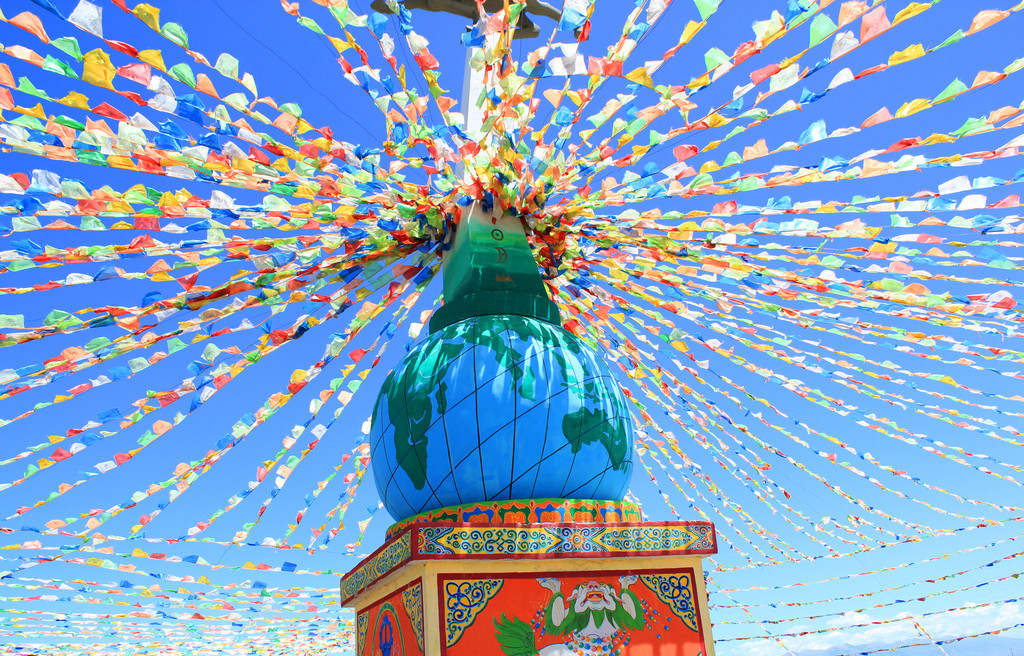
A prayer flag is a banner of colourful cloth, often found strung along mountain ridges and peaks high in the Himalayas. And it inscribed with auspicious symbols, invocations, prayers, and mantras.
 Thangka
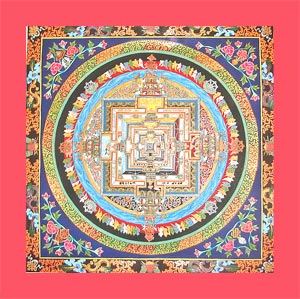
Thangka is the new painting art sprung up around Songtsan Gampo period, has the distinct national characteristics, strong religious ideas and unique artistic style, and has been the apple of the eye in Tibetan people, as well as being the Chinese national folk art precious intangible cultural heritage.
 Tsupu Monastery:1st Karma Kagyu monastery
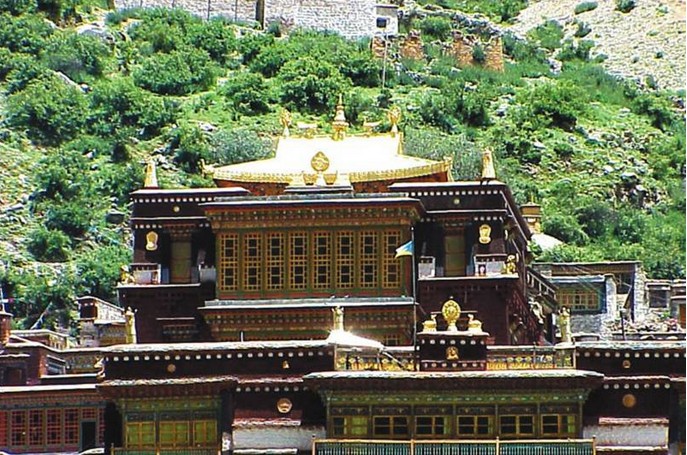
The Tsupu Monastery, the first of its kind for the Karma Kagyu, houses one of the four sects of Tibetan Buddhism, and the renowned reincarnation of the living Buddhas was initiated in this monastery.
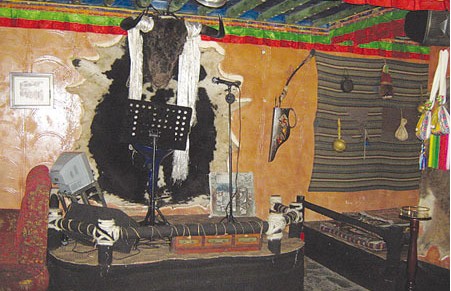 Characteristic Tibetan bar popular in Lhasa
located in Chengguan district mixing with the Tibetan traditional and modern arts is popular among the Tibetans in Lhasa
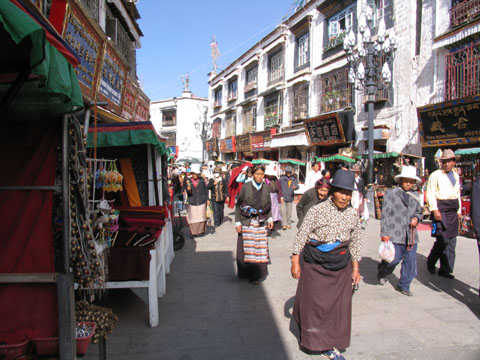 Tibetan Dress
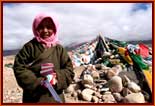
There are a variety of distinctive and characteristic styles of Tibetan clothing
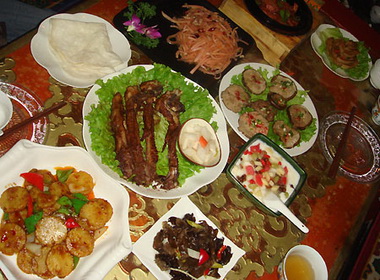 Tibetan Cuisine
Among the great varieties of Tibetan food, zanba and buttered tea are the most popular and distinguished. The former, made of qingke (barley flour) and tastes a little bit sour, is very nutritious and easy to take, while the latter, a Juema, a Tibetan snack mixture of butter, tea and salt, claims to be a good energy-giving beverage.
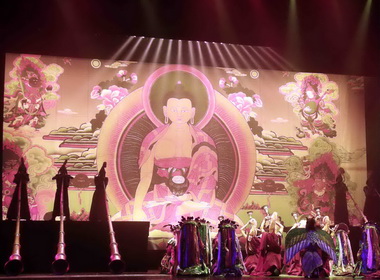 Tibetan Music
First and foremost Tibetan music is religious music, which reflects the profound influence of Tibetan Buddhism on the culture.
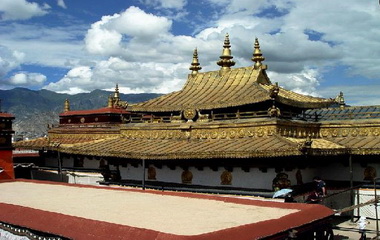 Tibetan Architecture
Architecture in Tibet contains Chinese and Indian influences, and reflects a deeply Buddhist approach.
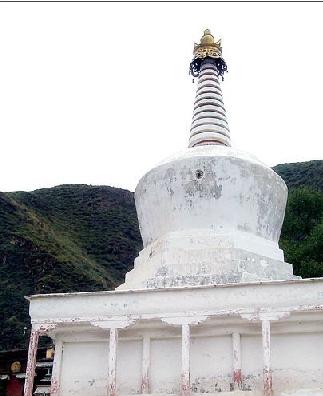 Tibetan Funeral
There is neither immortality nor unified annotation about death. To most people in the world, death is regarded as a matter of horror and awe. But the Tibetan people do not think quite that way.
 Tibetan Custom
Present hada is a common practice among the Tibetan people to express their best wishes on many occasions, such as wedding ceremonies, festivals, visiting the elders and the betters, and entertaining guests. The white hada, a long narrow scarf made of silk, embodies purity and good fortune.
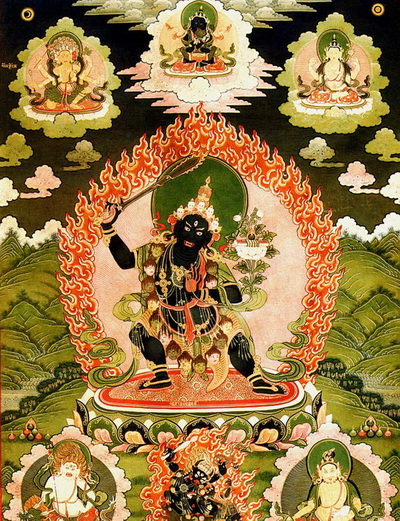 Tibetan Buddhism
Tibetan Buddhism, also called 'Lamaism', started in the middle of 7th century. At that time, King Songtsen Gampo married Nepalese Princess Chizun and Princess Wencheng from Chang'an (currently Xian). Influenced by these two Buddhist princesses, he coverted to Buddhism and built Jokhang Temple and Ramoche Monastery (Xiao Zhao Si).
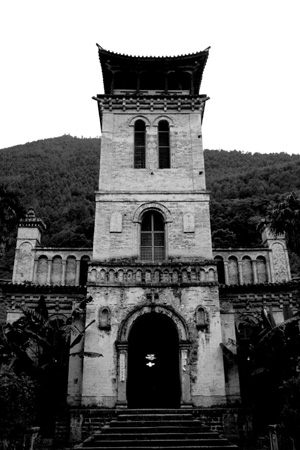 Other religions in Tibet
Muslims have been living in Tibet since as early as the eighth or ninth century. The first Christians to reach Tibet were undoubtedly Nestorians of whom various remains and inscriptions have been present at the imperial camp of Mingke Khan at Shira Ordo where they debated in 1256 with Karma Pakshi, head of the Karma Kagyu order.